


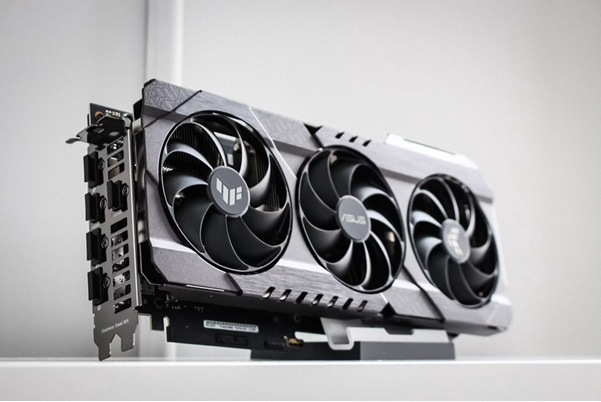
Modern graphics cards promise cinematic worlds, lightning reflexes, and eye-searing frame rates. Price tags rise just as quickly. Sensible purchasing begins with recognising that different screens ask for different horsepower; the most expensive option rarely equals the best fit.
Tech-focused communities, comparison charts, and platforms such as Vincispins.org offer avalanche-size data, yet raw numbers become meaningful only when matched to a specific display and workload. A flagship built for 4K barely breaks a sweat at Full HD, quietly converting extra budget into unused potential.
Resolution Sets the Rules
Pixel count dictates rendering load. Full HD (1080p) moves roughly two million pixels per refresh. Quad HD (1440p) doubles that target. Ultra HD (4K) demands four times the work of 1080p. Selecting a card without first noting the monitor often results in power left idle or, worse, frame drops that spoil gameplay.
Checklist Before Checkout
- Monitor resolution and refresh rate – matching card to screen avoids wasted frames.
- Favourite genres – competitive shooters need high frame rates, turn-based titles do not.
- VRAM capacity – 8 GB generally suffices for 1080p, 12 GB feels safer at 1440p, 16 GB helps at 4K.
- Power supply margin – at least 20 percent headroom prevents stability issues.
- Case airflow path – steady ventilation keeps clocks high and fans quiet.
1080p: Affordable Speed
Full HD remains the world’s most common gaming resolution. A strong mid-range GPU reaches triple-digit frames in modern titles while leaving room in the budget for a faster SSD or quieter cooling. Competitive players often drop visual extras to chase 240 Hz fluidity. That decision proves a modest card can still rule the scoreboards when settings are balanced wisely.
Ray-tracing effects at 1080p look impressive but consume performance that may be better spent on frame consistency. Enabling medium presets often provides visual flair without the heavy hit.
1440p: Crisp Detail Without Budget Shock
Quad HD strikes a compelling balance between clarity and cost. Texture detail sharpens, small text becomes cleaner, and the GPU workload remains manageable. Cards built for this tier usually feature wider memory buses and additional cores, ensuring smooth play for several years.
Steady supply voltage and robust heat sinks become essential here. Higher pixel counts stress silicon for longer stretches. Sustained boost clocks depend on keeping temperatures within reasonable ranges rather than chasing short synthetic peaks.
Common Overspending Traps
- Opting for the absolute flagship when a second-tier model delivers identical perceptible performance.
- Prioritising raw VRAM count over actual chip throughput.
- Ignoring card length and then discovering a mismatch with compact cases.
- Buying based solely on influencer hype instead of reputable benchmarks.
- Neglecting noise ratings that turn late-night sessions into turbine simulations.
4K: Premium Vision, Calculated Cost
Ultra HD rewards deep colour palettes and razor-sharp foliage but punishes weak silicon. A high-end GPU finally justifies its existence, yet careful settings remain vital. Dropping shadows from ultra to high recovers precious frames almost invisible during active play. Hardware-level upscaling technologies recover even more speed while leaving clarity intact on sofa-distance screens.
Power requirements climb steeply. A stable 4K build pairs the card with a certified supply, stout cabling, and at least mid-tower airflow. Enthusiasts who also stream, record, or mod heavy open-world titles benefit from the extra margin provided by upper-tier chips, though diminishing returns appear quickly once consistent 90 fps is reached.
Lifespan, Resale, and Future Upgrades
A well-chosen GPU should balance today’s enjoyment with tomorrow’s possibilities. Monitor refresh rates advance slower than core counts; selecting a card one rung above current need often extends usable life by an extra year or two. Resale markets remain healthy, especially for cards with clean thermal histories and intact packaging. Thoughtful spending now can fund part of the next upgrade cycle later.
Final Thought
Choosing a graphics card resembles picking the right engine for a road trip. Terrain, luggage weight, and fuel stations matter more than showroom horsepower. Matching silicon muscle to pixel demand creates a system that feels snappy, stays cool, and leaves funds free for other components or actual games. Balanced rigs age gracefully, and money saved today still buys pizza after the victory screen tomorrow.